

Cellulose nanofiber
Product Name 01 Cellulofibril
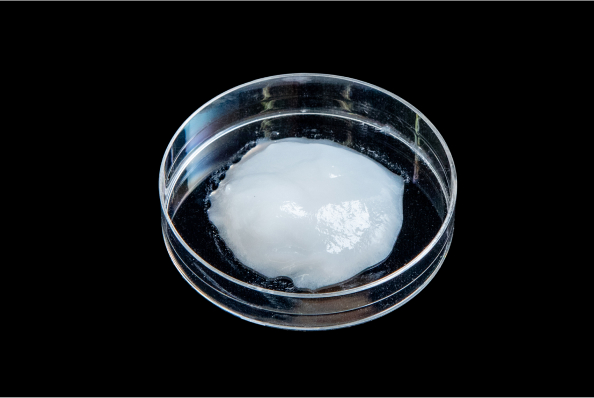
This is a slurry (water dispersion) of cellulose that utilizes the preparation technology of raw materials from paper manufacturing.
Product features
-
Feature01
...Wet mechanical defibration allows cellulose to be adjusted to various sizes.
-
Feature02
...Various cellulose raw materials can be selected, including wood pulp and non-wood pulp.
-
Feature03
...Large volume and low cost supply is available.

-
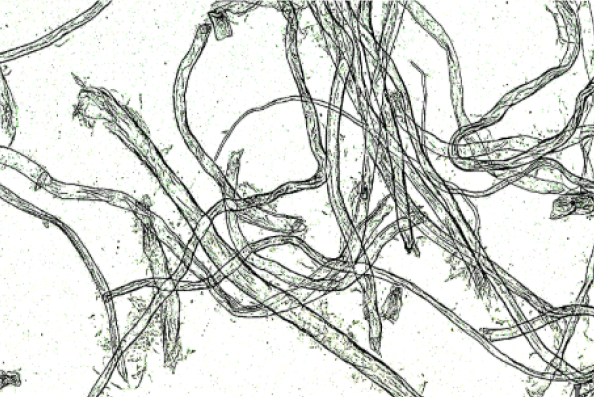
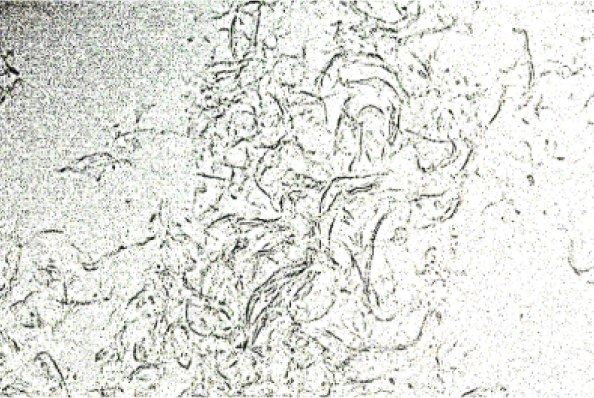
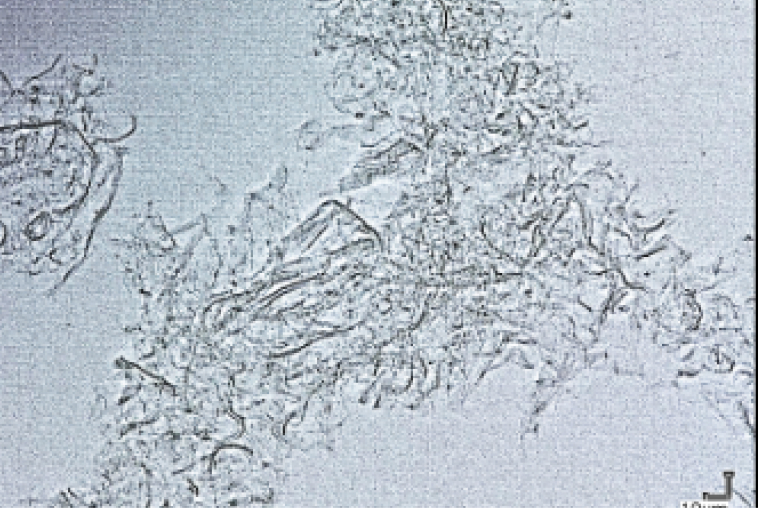
Fibers before treatment

-
Fibers after treatment

-
Raw materials
Uses with expected applications
- Material for protection against abrasives
- Raw materials for compounding into various resins
- Cosmetic supplements
Hours: 9:00 - 16:00 (except Saturdays, Sundays, and holidays)
Fiber properties table
-
Before treatment
-
Low processing level
-
High processing level
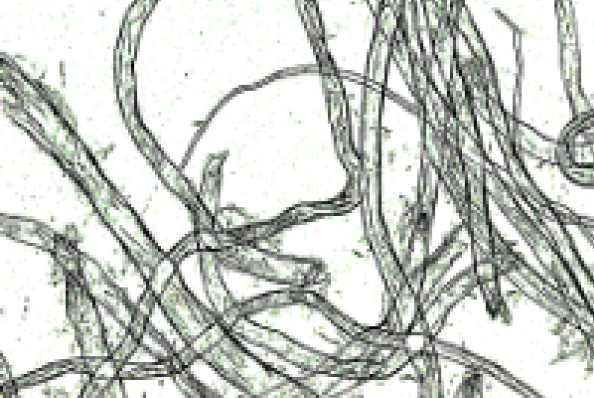
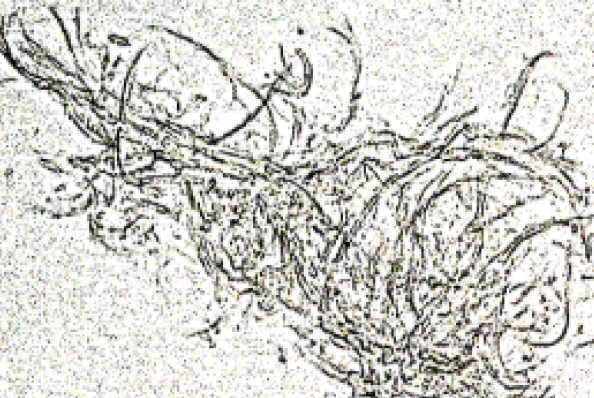
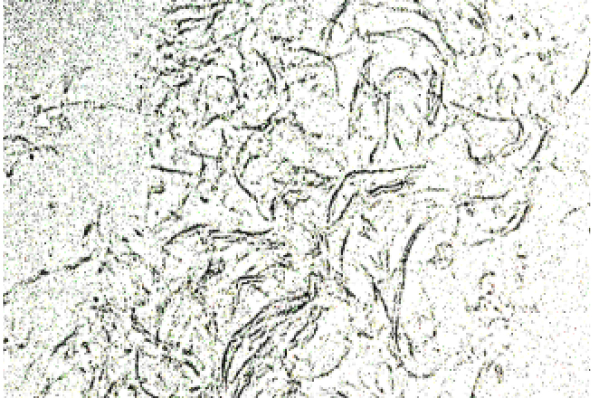
Flexible response based on fiber size × required quantity
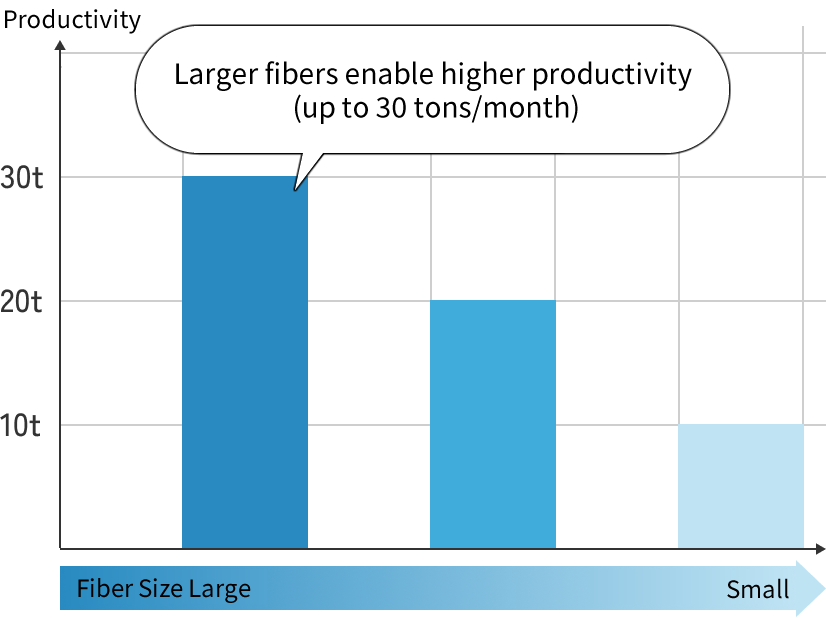
The finer the fiber, the lower the producibility will be.
handle a wide range of fiber sizes.
Cellulofibril
lineup
There are two main types of cellulose raw materials: wood-derived and non-wood-derived (e.g., plant fiber).
Examples of non-wood materials include plant fibers such as cotton linter (cotton), recycled cellulose, kenaf, and hemp.
Wood pulp comes as softwood or hardwood, and we use these raw materials for papermaking.
In addition, we can also accommodate small-quantity samples and materials not listed in the table upon request.
Non-wood pulp
- ・Cotton linter
- ・Regenerated cellulose, etc.
Regenerated cellulose
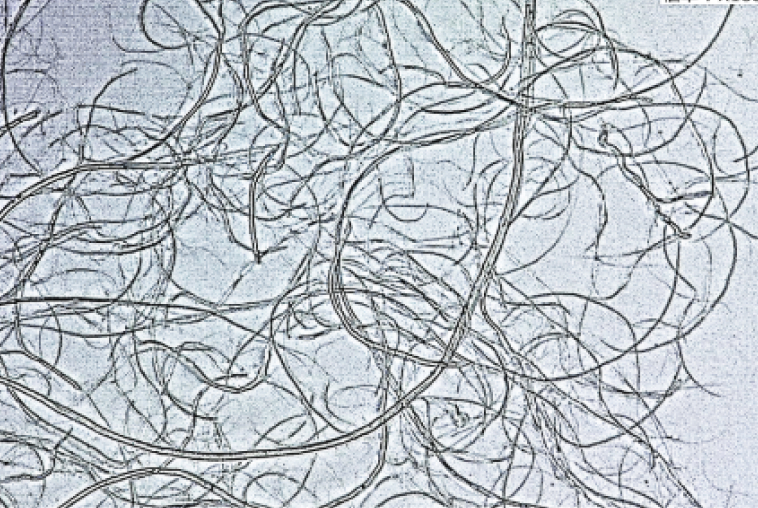
Wood pulp
- ・Softwood (white/brown)
- ・Hardwood (white/brown), etc.
Softwood pulp
Productive capacity
For approximate production capacity, please see below.
Note: This is only a rough estimate, and actual processing capacity will vary depending on the level of defibrillation.
| Processing method | Raw material concentration | Throughput (days) | Processing volume (batch) | |
|---|---|---|---|---|
| Prototype (1) | Millstone method | Approx. 3% | 20 L/day | 1.2kg/ (solid) |
| Mass-production machine | Plate blades | Approx. 3% | 432,000 L/day | 650kg/ (solid) |